
Lanzarote Travel Guide

Travelling to Lanzarote means volcanic landscapes, endless beaches and sunshine all year round. With scenery that feels almost extraterrestrial, it’s one of the most surprising gems of the Canary Islands.

Looking for a place to stay in Lanzarote?

Why Lanzarote captures every traveller’s heart

Lanzarote has a personality all its own. The harmony between nature and architecture, its deep respect for the environment and the warmth of its people make this island truly one of a kind. Here, time seems to slow down, the sea merges with volcanic rock, and every corner invites you to disconnect.

It’s perfect for those seeking tranquillity, natural beauty and authentic experiences—without giving up comfort. Spend just a few days here and you’ll understand why so many people fall in love with Lanzarote… and why so many return.

How to get to Lanzarote

Getting to Lanzarote is easy thanks to excellent air and ferry connections.

By plane

Lanzarote Airport (ACE) is located in Arrecife and welcomes national and international flights every day. There are direct routes from cities like Madrid, Barcelona, Bilbao, Valencia and Seville, as well as frequent connections from many European airports.

By ferry

If you’re already on another Canary Island, you can travel to Lanzarote comfortably by ferry. The most popular routes connect Corralejo (Fuerteventura) with Playa Blanca in just 30 minutes, or Las Palmas (Gran Canaria) with Arrecife.

From other islands or countries

Combining Lanzarote with a trip to nearby islands like La Graciosa is a great option for a longer itinerary. If you’re coming from mainland Europe, you’ll find year-round connections with both traditional and low-cost airlines.

Best time to visit Lanzarote

Lanzarote enjoys warm, dry weather all year long. The average annual temperature is around 21 °C, with little rainfall and plenty of sunshine.

Looking for a boutique villa for your Lanzarote holiday?

How many days do you need to explore Lanzarote?

Don’t be fooled by its size—Lanzarote is a place best enjoyed slowly.

Want a full itinerary?

Check out our article:
What to do in Lanzarote in 5 days.

What to See and Do in Lanzarote

Lanzarote is much more than just beaches. Its volcanic soul is present in every corner, and its cultural legacy—deeply shaped by the artist César Manrique—can be felt throughout the island.

Timanfaya National Park

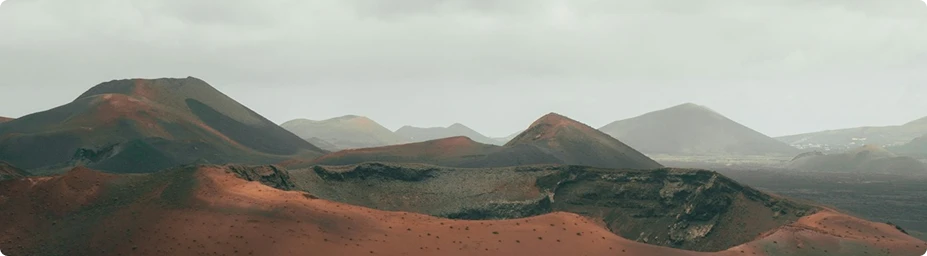
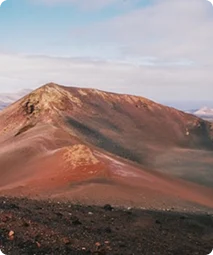
A lunar landscape formed by 18th-century eruptions, making it one of the most breathtaking places in Europe. The park is home to over 25 volcanoes, lava fields and Fire Mountains that look like they belong on another planet.

You can explore it by bus, walk along restricted trails, or dine in its volcanic restaurant, where food is cooked using the heat of the earth. A must-see that connects you directly with the raw power of nature.

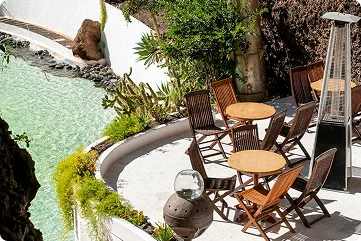
Jameos del Agua

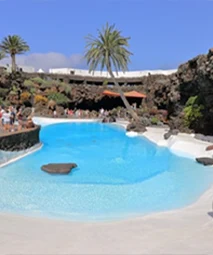
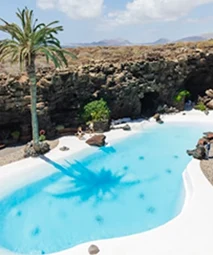
A natural and artistic masterpiece transformed by César Manrique into a one-of-a-kind cultural space. This volcanic cave houses an underground lake with a unique species of albino crab, an auditorium with incredible acoustics, and a restaurant carved into the volcanic rock.

In short, it’s a place where art, nature and magic exist in perfect harmony.

Cueva de los Verdes

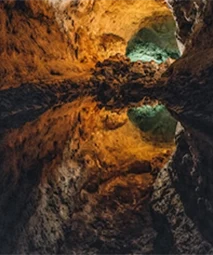
An underground experience that will leave you speechless. This vast cave, formed after an eruption of the La Corona volcano, lets you walk over a kilometre through the inside of a volcanic tunnel.

Dim lighting, total silence and a final surprise (which we won’t spoil) make this one of Lanzarote’s most unforgettable visits.

La Geria

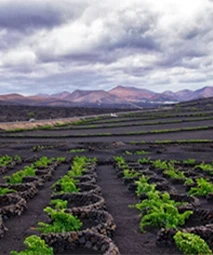
The winegrowing heart of Lanzarote. Here, vines are planted in pits dug into volcanic ash, each protected by a semicircle of stone. The result: vineyards among black sands, a surreal landscape and unexpectedly excellent wines.

You can visit wineries like El Grifo or Rubicón, sample unique Malvasía wines, and enjoy the volcanic silence with a glass in hand.

Mirador del Río

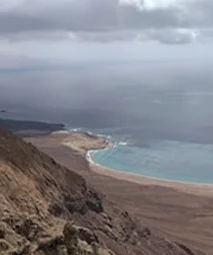
Situated over 400 metres above sea level, this viewpoint—designed by Manrique—is built organically into the Famara cliffs.

Las vistas sobre la isla de La Graciosa y el archipiélago Chinijo son sobrecogedoras, especialmente al atardecer. El espacio incluye una cafetería y grandes ventanales panorámicos que te harán sentir suspendido en el cielo.

Cactus Garden

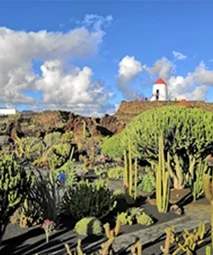
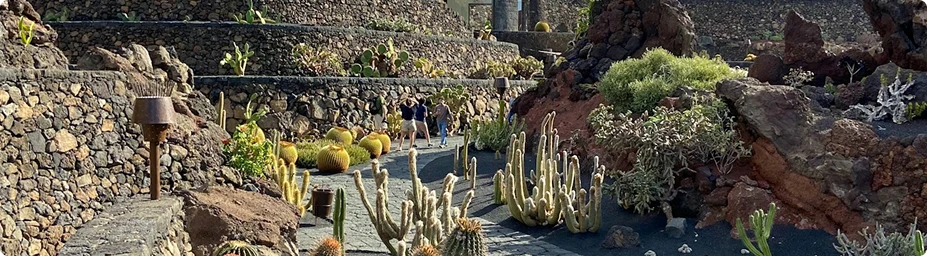
A tribute to design and botanical biodiversity. This garden is a former quarry transformed into a living sculpture, home to over 4,500 cactus species from all over the world.

The contrast between the green plants, red earth and blue sky creates an atmosphere of total peace. There’s also a traditional windmill and a café with a terrace.

César Manrique Foundation

More than a house-museum—it’s a declaration of love for art, sustainability and Lanzarote itself.

Located in the artist’s former home, built over five volcanic bubbles, this foundation showcases his artwork, sketches, original furniture and gardens designed in perfect balance between architecture and lava. A must to understand the island’s identity.

Not sure where to begin?

Discover the must-see spots in our article: Unmissable Places to See in Lanzarote

Lanzarote’s Best Beaches

Lanzarote has beaches for every taste—wild, peaceful, volcanic or white sand.

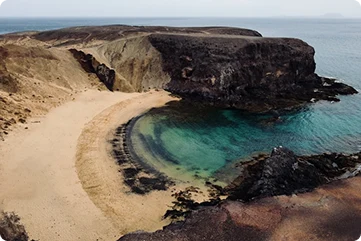
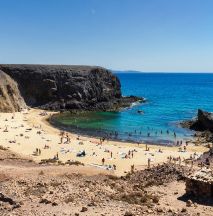
Playa Papagayo

Papagayo Beach

Probably the island’s most iconic beach. Located in a protected area, this cove of golden sand and crystal-clear water is surrounded by volcanic cliffs.

Its shell-like shape shields it from the wind and creates the perfect setting for swimming, snorkelling or simply letting yourself drift with the rhythm of the sea. Access is via a dirt track, adding charm to the journey.

Playa Flamingo

Flamingo Beach

Located in Playa Blanca, this family-friendly and accessible beach is ideal for those looking for comfort and calm waters.

It has a promenade with restaurants, sun loungers, parasols and facilities—perfect for spending the whole day without a worry. The waves are gentle, and the white sand makes it a favourite for families with children.

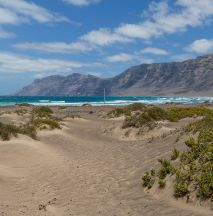
Playa de Famara​

Famara Beach

Wild, vast and with views of the Famara cliffs, this beach is paradise for surfers, photographers and lovers of untamed nature.

The wind often blows strong, creating ideal waves for water sports. There’s a sense of authenticity and freedom here—and a deep connection to the natural world. At sunset, the colours are simply magical.

Caletón Blanco​

Caletón Blanco

Located in the north of the island, this beach stands out for its white sand and the black volcanic rock formations around it—an impressive visual contrast.

Its shallow waters make it perfect for families with young children and for anyone looking for a peaceful swim far from the more touristy areas. It’s one of Lanzarote’s best-kept secrets.

Playa Montaña Bermeja​

Montaña Bermeja Beach

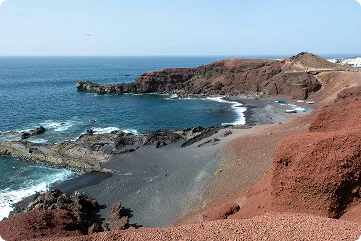
A small hidden gem next to the Los Hervideros road. Its black volcanic sand and almost lunar surroundings give it a mysterious, photogenic quality.

It’s rarely crowded, making it ideal for those seeking disconnection and silence. Swimming here can be tricky due to currents, but the beauty of the setting more than makes up for it.

Fancy exploring more hidden spots?

Read: Lanzarote’s Best Secret Beaches

What to Eat in Lanzarote

Lanzarote’s cuisine is simple, honest and deeply flavourful. Everything here tastes of the sea, the volcano and tradition.

Papas arrugadas with mojo

The most iconic dish of the Canary Islands. These small potatoes are boiled in salty water with their skins on and served with mojo rojo (spicy red sauce) or mojo verde (coriander green sauce).

They’re soft on the inside, salty on the outside—a simple but addictive delight that accompanies almost every meal on the island.

Gofio

One of the oldest foods in the archipelago. A toasted flour made from corn or wheat—highly nutritious and very versatile.

It’s eaten in stews, as a side, or even in desserts. Its toasty flavour is unmistakable, and many locals consider it an essential part of their food culture.

Majorero Goat Cheese

Lanzarote’s artisanal goat cheese is a true delicacy in all its forms: fresh, semi-cured or aged, with natural rind, paprika coating or gofio crust.

Perfect for sharing with local wine or as a starter in any traditional restaurant. Its flavour is bold, balanced and full of character.

Fresh Fish and Sancocho

The day’s catch is sacred in Lanzarote. Vieja, cherne, sama and bocinegro are some of the most common.

Try them grilled, stewed, or in sancocho, a typical dish served with papas, mojo and gofio escaldado (gofio paste with broth). Ideal for those who love the true taste of the sea.

Wines from La Geria

Grown on volcanic ash and protected by semicircular stone walls, Lanzarote’s wines are unlike any other in the world.

Malvasía Volcánica is the most famous variety—white, dry and intensely aromatic. There are also reds and sweet wines. Wineries like El Grifo, Rubicón or Stratvs offer unforgettable tastings with views over a lunar-like landscape.

Fancy trying it all?

Discover the island’s most traditional and mouth-watering dishes on our blog:
What to Eat in Lanzarote

Where to Eat in Lanzarote

The island offers an excellent selection of restaurants, from beach bars to charming gourmet spots.

Restaurante Bogavante – El Golfo

A seafront classic specialising in fresh fish and seafood. Its soupy rice is famous across the island, and the ocean views at sunset are unbeatable.

The atmosphere is relaxed and authentic—perfect for a leisurely meal. Booking is recommended at weekends.

Brisa Marina – Playa Blanca

Located on the promenade, this family-run restaurant is a local favourite. It serves traditional dishes with top-quality local ingredients: fresh fish, Canarian tapas and homemade desserts.

Friendly service and views of the harbour make it a lovely spot for lunch or dinner.

Bodegas Rubicón – La Geria

A charming winery that combines wine tastings with typical island cuisine. Ideal for a relaxed lunch surrounded by vineyards and lava-covered mountains.

The setting, the silence and the quality of the produce make this stop a complete experience.

Ikarus GastroBar – Teguise

Creative fusion and local flavour in the heart of one of Lanzarote’s most beautiful villages.

Here, ingredients are reimagined with contemporary techniques, and the result is surprising. Perfect for those seeking a gourmet touch without losing the island’s spirit. Good wine list and attentive service.

Looking for options in Playa Blanca?

Don’t miss: Where to Eat in Playa Blanca

The Boutique Villa Experience

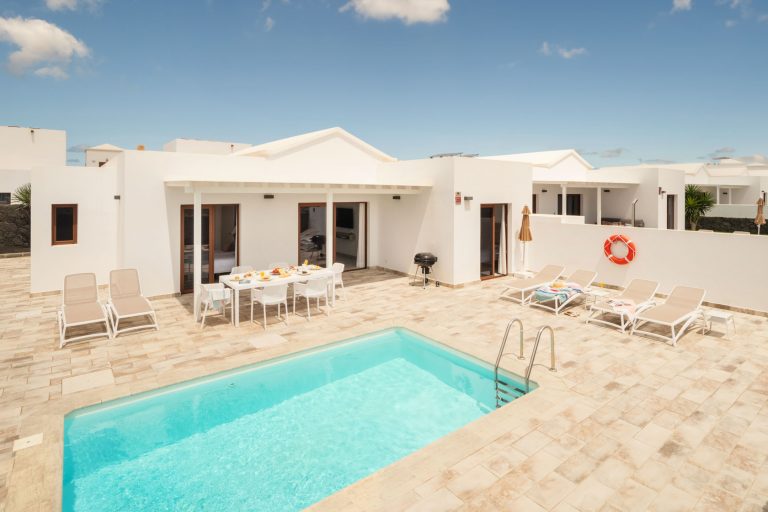
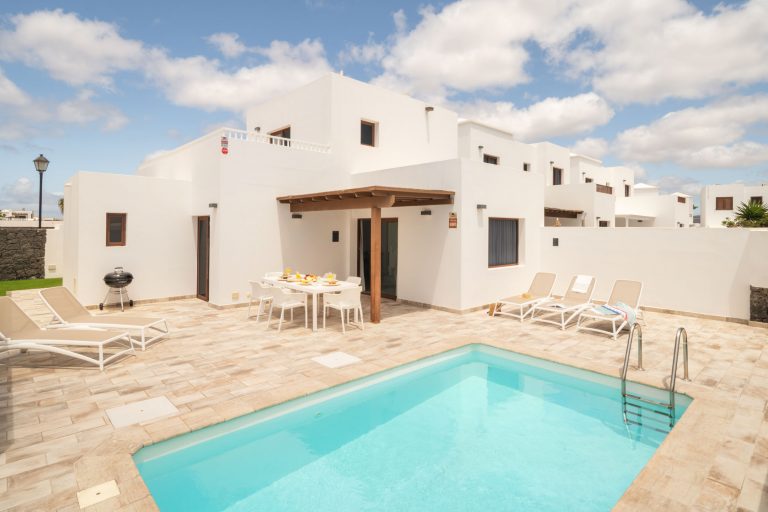
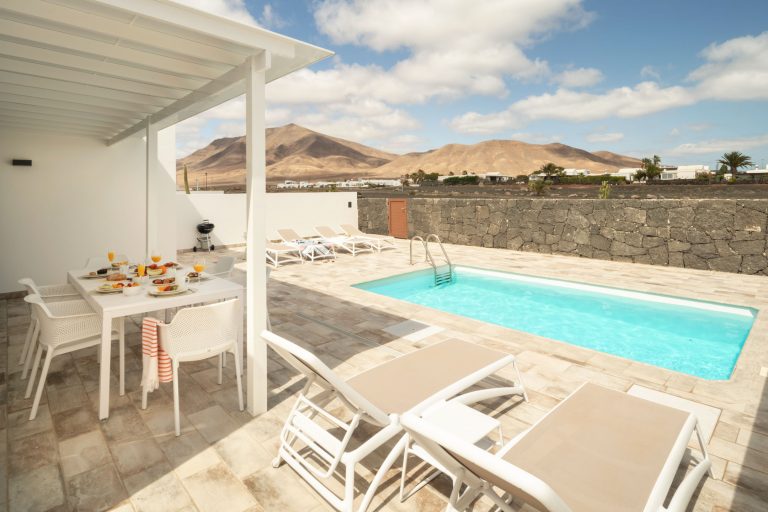
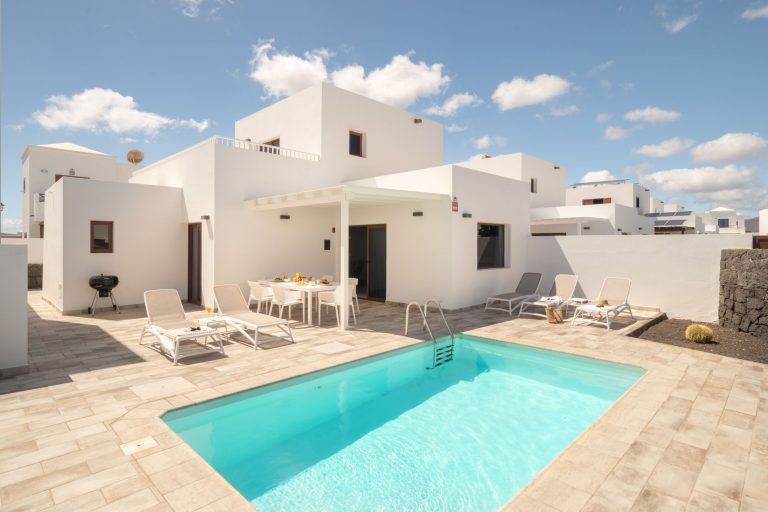
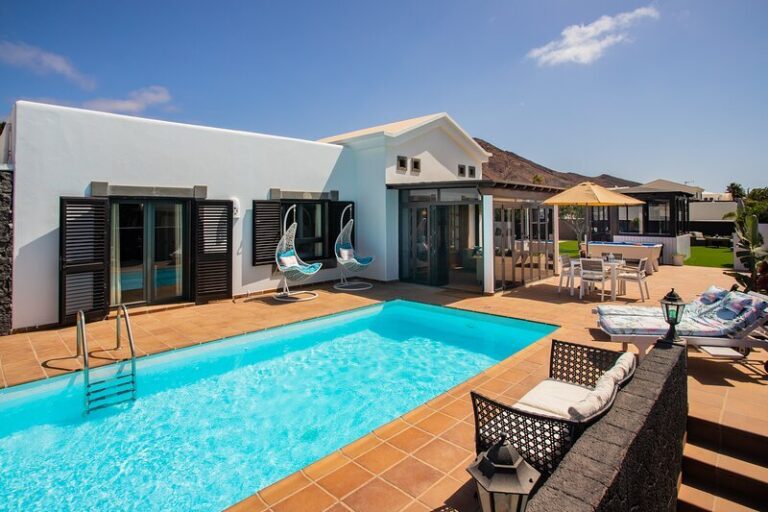
Imagine waking up to the sea, with sunlight streaming through the windows and a private pool waiting just outside. Staying in a boutique villa is more than just sleeping—it’s experiencing Lanzarote with freedom, comfort and style.

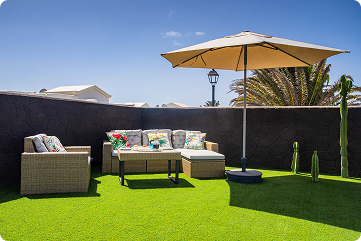
Our villas in Playa Blanca are located in prime areas, offering views, privacy and attention to every detail. There are no schedules here, no buffets, no noise. Just you, your space, and the luxury of feeling at home… but better.

FAQ’s

Frequently Asked Questions about our Villas

Any time of year is great thanks to its mild climate. Spring and autumn offer calm and pleasant temperatures, while summer and winter are ideal for those seeking more activity or escaping the continental cold.

Although Lanzarote isn’t very big, it deserves to be explored at a relaxed pace. In 3 or 4 days, you can see the most iconic spots.

If you also want to enjoy the food, unwind and take excursions to places like La Graciosa, it’s best to stay between 6 and 10 days.

Yes, hiring a car is highly recommended.
Although there are some bus routes, the main points of interest (volcanoes, hidden coves, vineyards, viewpoints) are scattered across the island. Having your own vehicle allows you to explore freely, reach remote spots and make the most of your time.

Absolutely.

Families will find calm beaches, easy trails and plenty of activities for children—like aquariums, boat trips or camel rides.

Couples will enjoy the romantic atmosphere of the volcanic landscapes, seaside dinners, vineyards in La Geria and exclusive, private accommodation.

It depends on what you’re looking for, but some must-sees are:

  • Papagayo Beach: crystal-clear waters and protected natural surroundings.
  • Flamingo Beach: great for families, accessible and with full services.
  • Famara Beach: wild, expansive and perfect for surfers.
  • Caletón Blanco: striking contrast between white sand and black lava, rarely crowded.
  • Montaña Bermeja Beach: peaceful setting in a unique volcanic landscape.

Lanzarote is known for its trade winds, especially between May and August. That said:

  • The wind helps cool the island, which is welcome in summer.
  • It doesn’t stop you enjoying the beach or exploring.
  • There are many sheltered coves, like Papagayo or Playa Chica.
    It’s a good idea to pack a light jacket for evenings or high-altitude spots.

It depends on your travel style:

  • Playa Blanca: ideal for families and those seeking peace, sun and luxury villas.
  • Costa Teguise: great for families and water sports.
  • Puerto del Carmen: livelier, with bars, restaurants and nightlife.
  • Arrecife: an urban option, close to the airport with a local vibe.
  • La Geria / inland: perfect for disconnecting among vineyards and volcanoes.

MAKE THIS PLACE YOUR HOME